
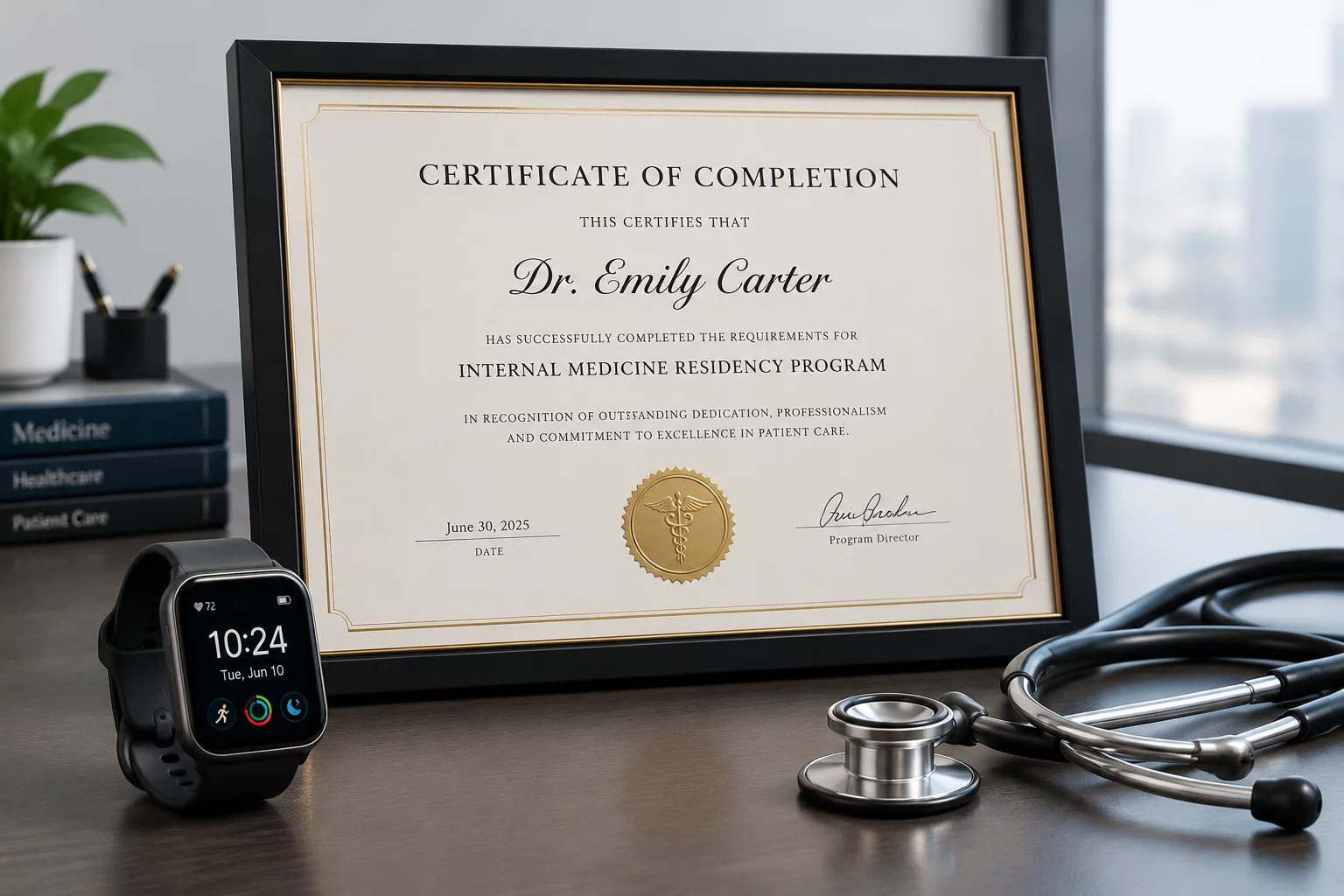
Until recently, the emerging field of proactive lifespan medicine suffered from an absence of standardized accreditation. Health coaches, wellness consultants, and longevity practitioners operated without an internationally recognized standard. The formal introduction of the Certified Longevity Medicine Specialist credential establishes uniform benchmarks across biological age assessment, sleep physiology, cellular senescence, and personalized nutraceutical protocols.
Curriculum Architecture and Clinical Competencies
Developed jointly by academic researchers and preventative health practitioners, the certification addresses five fundamental domains. Candidates must demonstrate deep analytical comprehension of epigenetic clocks, autonomic nervous system monitoring during deep rest phases, and metabolic profiling. The curriculum deliberately transitions practitioners away from subjective vitality assessments toward quantifiable biomarker trajectories.
Standardized Practice Mandate
Certification requires 120 verified credit hours in clinical geroscience and passing a proctored diagnostic examination encompassing multi-omic biomarker interpretation and sleep staging mechanics.
Standardizing Sleep and Circadian Health Assessment
Sleep optimization forms a major portion of the board exam. Certified professionals learn to evaluate slow-wave sleep duration alongside heart rate variability drops to determine autonomic recovery rates. Rather than merely recommending sleep schedules, certified clinicians learn to map sleep continuity against nocturnal core temperature patterns.
As clinics worldwide transition toward predictive lifespan management, this credential provides patients and institutions with transparency. Standardized education bridges the divide between academic research in aging and everyday practical consultation, creating safer protocols for long-term healthspan extension.

The inclusion of rigorous slow-wave sleep evaluation criteria in this standardized certification is a long-awaited milestone. Setting uniform clinical expectations around circadian biomarker interpretation will significantly improve patient safety and intervention efficacy.