
Federal regulatory bodies have accelerated oversight regarding synthetic peptides distributed under research chemical designations. Compounding facilities and boutique anti-aging practices now face stringent compliance audits, fundamentally altering how sequence-specific molecules reach practitioners and longevity enthusiasts. The heightened scrutiny addresses growing concerns over unverified purity, contamination risks, and off-label clinical administration without validated human trials.
Category 2 Classifications and Compounding Restrictions
The regulatory transition centers around Section 503A and 503B compounding definitions established by federal oversight authorities. Formulations including BPC-157, CJC-1295, Thymosin Beta-4, and AOD-9604 were placed on restricted compounding lists due to limited longitudinal safety documentation and lack of recognized pharmacopeia monographs. This classification places custom compounding out of reach for routine wellness applications unless supported by formal Investigational New Drug documentation.
Critical Takeaway for Clinical Longevity Practices
Synthetic peptide sourcing now demands strict analytical batch validation certificates. Unregistered domestic distributors face warning letters and immediate customs import detentions, encouraging longevity clinics to prioritize verified therapeutic equivalents with established clinical dossiers.
Analytical Purity and Synthesis Verification
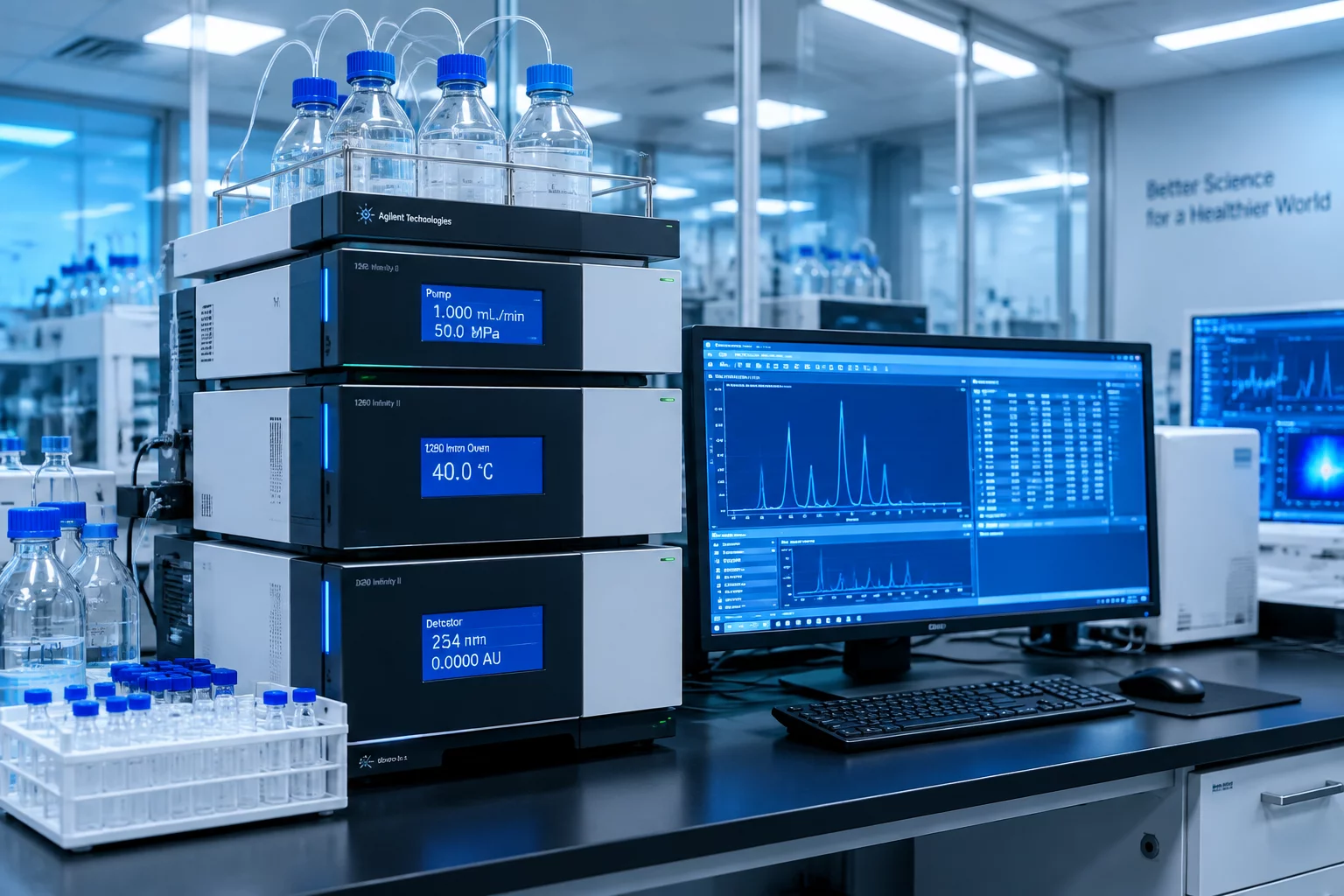
Sourcing challenges have prompted independent testing standards among clinical longevity networks. High-Performance Liquid Chromatography (HPLC) and Mass Spectrometry (MS) assays serve as non-negotiable verification steps for peptide integrity, identifying residual trifluoroacetic acid salts, endotoxins, and sequence-truncated impurities that compromise biological safety.
While heightened regulatory scrutiny presents initial access challenges for biohacking practitioners, it establishes necessary consumer protection baselines against heavy metal contamination, inaccurate dosing, and mislabeled research chemicals throughout the broader wellness ecosystem.

The enforcement actions regarding Section 503A compounding represent a pivotal turning point for clinical biohacking. Establishing analytical purity standards above 98.5% is crucial to avoid residual organic solvents and truncated peptides that can trigger unintended immunogenic responses in clinical subjects.